
Flat Feet
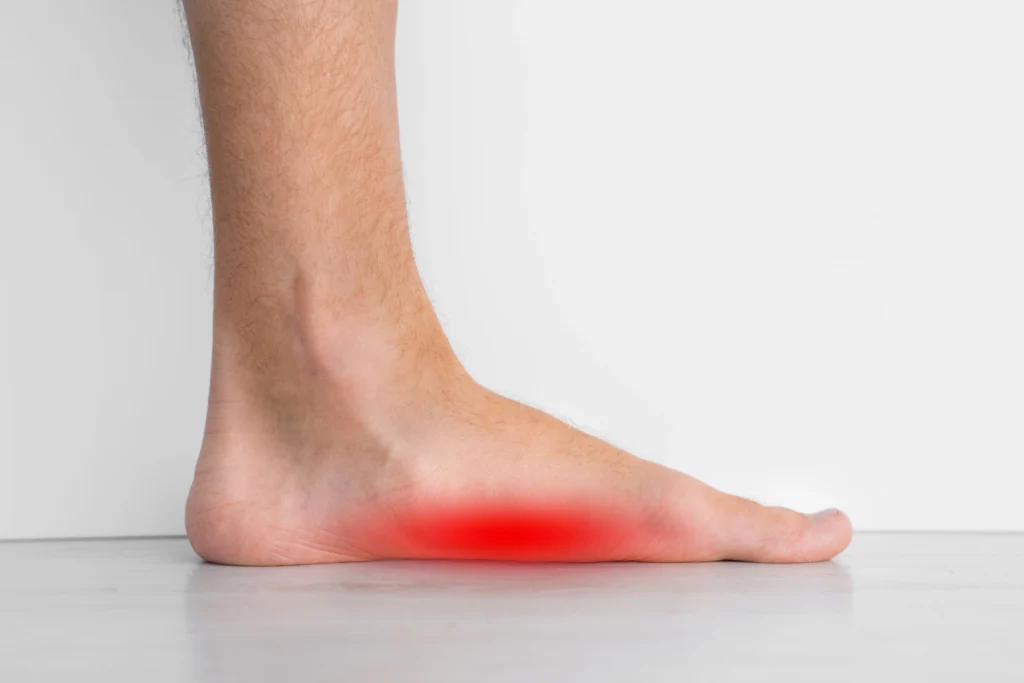
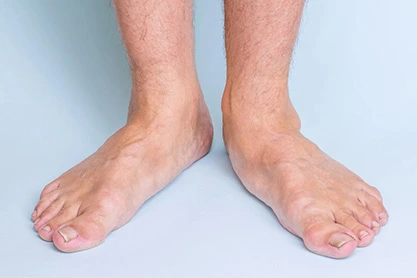
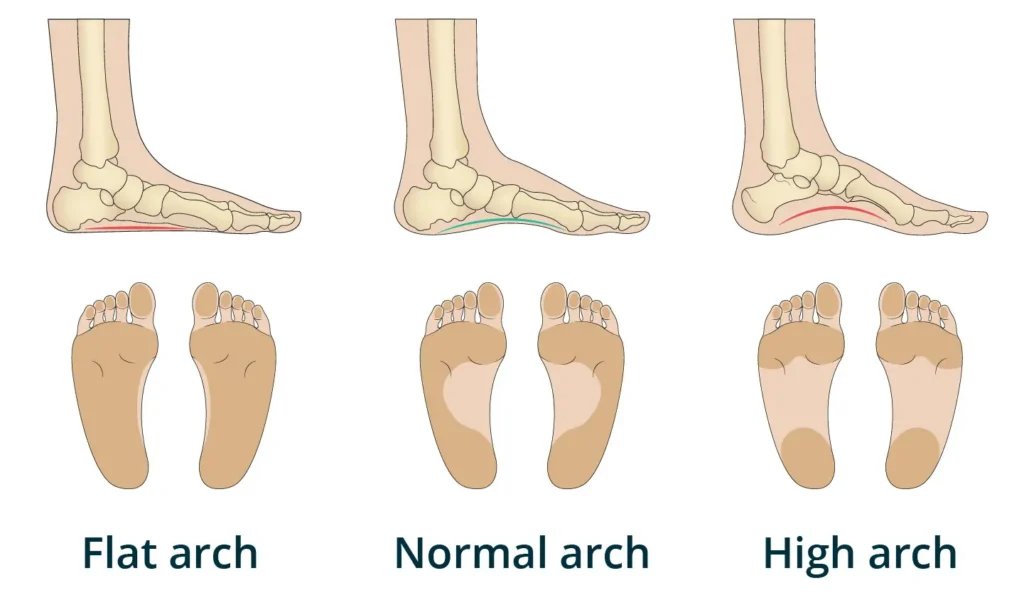
Flat feet is a condition where the arches of the feet are low or absent, causing the entire sole to touch the ground.
Services List
Need Help?
Our team is here to help you with the best treatment.

Restore Support. Relieve Pain. Move with Better Alignment.
Flat feet—medically known as posterior tibial tendon dysfunction (PTTD)—occur when the tendon that supports your arch weakens or becomes damaged, causing the arch to collapse over time.
While some people have flat feet without symptoms, others develop pain, instability, and progressive changes in foot structure that can affect the ankles, knees, hips, and even lower back.
When left untreated, flat feet can lead to worsening deformity and increase the risk of conditions like ankle arthritis.
What Are Flat Feet?
Your arch plays a critical role in distributing weight and absorbing shock as you walk or run. When the arch collapses:
- The foot rolls inward (overpronation)
- The ankle becomes misaligned
- Stress increases on surrounding joints and soft tissues
Posterior tibial tendon dysfunction occurs when the tendon responsible for supporting the arch can no longer function properly leading to flattening of the foot.
Types of Flat Feet
Flat feet can develop in different ways:
Flexible Flatfoot
An arch is present when sitting but disappears when standing. Common in children and sometimes persists into adulthood.
Adult Acquired Flatfoot
Develops over time due to wear and tear on the posterior tibial tendon. This is the most common symptomatic form and often worsens without treatment.
Hereditary Flat Feet
Some individuals are genetically predisposed to having low or absent arches.
Common Symptoms
Flat feet don’t just affect the foot—they can impact your entire lower body.
- Pain in the arch or along the inside of the ankle
- Swelling or tenderness near the posterior tibial tendon
- Foot fatigue or instability
- Rolling inward of the ankle
- Pain that may extend to the calf, knee, hip, or lower back
- In later stages, pain shifting to the outside of the ankle as the condition progresses
What Causes Flat Feet?
Flat feet can develop from a combination of structural and lifestyle factors, including:
- Genetics (inherited foot structure)
- Aging and tendon degeneration
- Injury to the foot or ankle
- Diabetes or rheumatoid arthritis
- Obesity
- Improper or unsupportive footwear
Over time, these factors can weaken the posterior tibial tendon and lead to progressive arch collapse.
Diagnosis: Identifying the Stage
Proper diagnosis is key to preventing progression.
Your evaluation may include:
- Physical exam and gait analysis
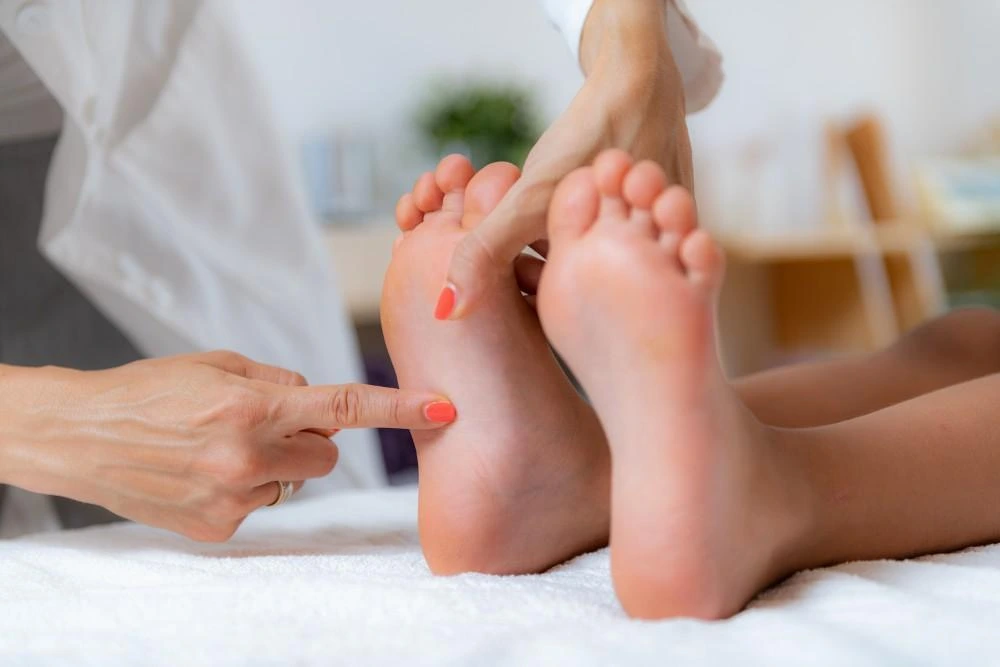
- Assessment of foot alignment and tendon function
- Imaging such as X-rays or MRI to evaluate tendon damage and joint alignment
Understanding the severity of the condition helps guide the most effective treatment plan.
Treatment Options
Treatment focuses on reducing pain, restoring alignment, and preventing progression.
Non-Surgical Treatment
Most cases can be managed conservatively, especially when caught early:
- Custom Orthotics or Arch Supports: Help redistribute weight and support the arch
- Supportive Footwear: Improves alignment and reduces strain
- Stretching & Strengthening Exercises: Especially for tight Achilles tendon and supporting muscles
- Immobilization: Temporary use of a boot or cast to allow the tendon to rest and heal
- Physical Therapy: Targeted rehab for strength, flexibility, and mechanics
When Is Surgery Needed?
Surgery may be recommended when:
- Pain persists despite conservative care
- The arch has significantly collapsed
- The condition is progressing or affecting mobility
Surgical treatment is customized and may involve:
- Repairing or reconstructing damaged tendons and ligaments
- Realigning bones to restore proper foot structure
- Correcting deformities to improve function and reduce pain
Advanced procedures may include osteotomies (bone realignment) or joint fusion in severe cases.
Recovery & Long-Term Outlook
With proper treatment, many patients experience significant improvement in pain and function.
Recovery may include:
- Gradual return to activity
- Ongoing use of orthotics or supportive footwear
- Continued strengthening and flexibility work
Early treatment leads to better outcomes and can often prevent the need for surgery.
Why Treatment Matters
Flat feet are not always “just a structural difference.” When symptomatic, they can lead to:
- Progressive foot deformity
- Chronic pain and instability
- Increased stress on knees, hips, and back
- Higher risk of ankle arthritis
Addressing the condition early helps preserve alignment and long-term mobility.
Sports Medicine & Active Lifestyle Approach
Move Better. Train Smarter. Prevent Future Injury.
Flat feet can significantly impact performance and increase the risk of overuse injuries—especially in runners and active individuals.
Our sports medicine approach focuses on:
- Gait and biomechanical analysis
- Correction of movement patterns contributing to overpronation
- Strength and stability training for foot and ankle support
- Customized orthotics for athletic performance
- Injury prevention strategies for long-term durability
The goal is not just to relieve pain—but to help you move efficiently, perform better, and stay injury-free.
Take the First Step Toward Better Support
If you’re experiencing foot or ankle pain, or noticing changes in your arch, don’t ignore it.
Early treatment can prevent progression and keep you moving comfortably.
Schedule your consultation today to evaluate your foot health and explore your treatment options.